Explore advanced neuro rehabilitation technology designed to support structured, repetitive and guided walking practice. Walkbot's robotic gait training systems combine coordinated lower-limb assistance, adjustable training parameters, interactive feedback and data-driven technologies for professional rehabilitation and training environments.
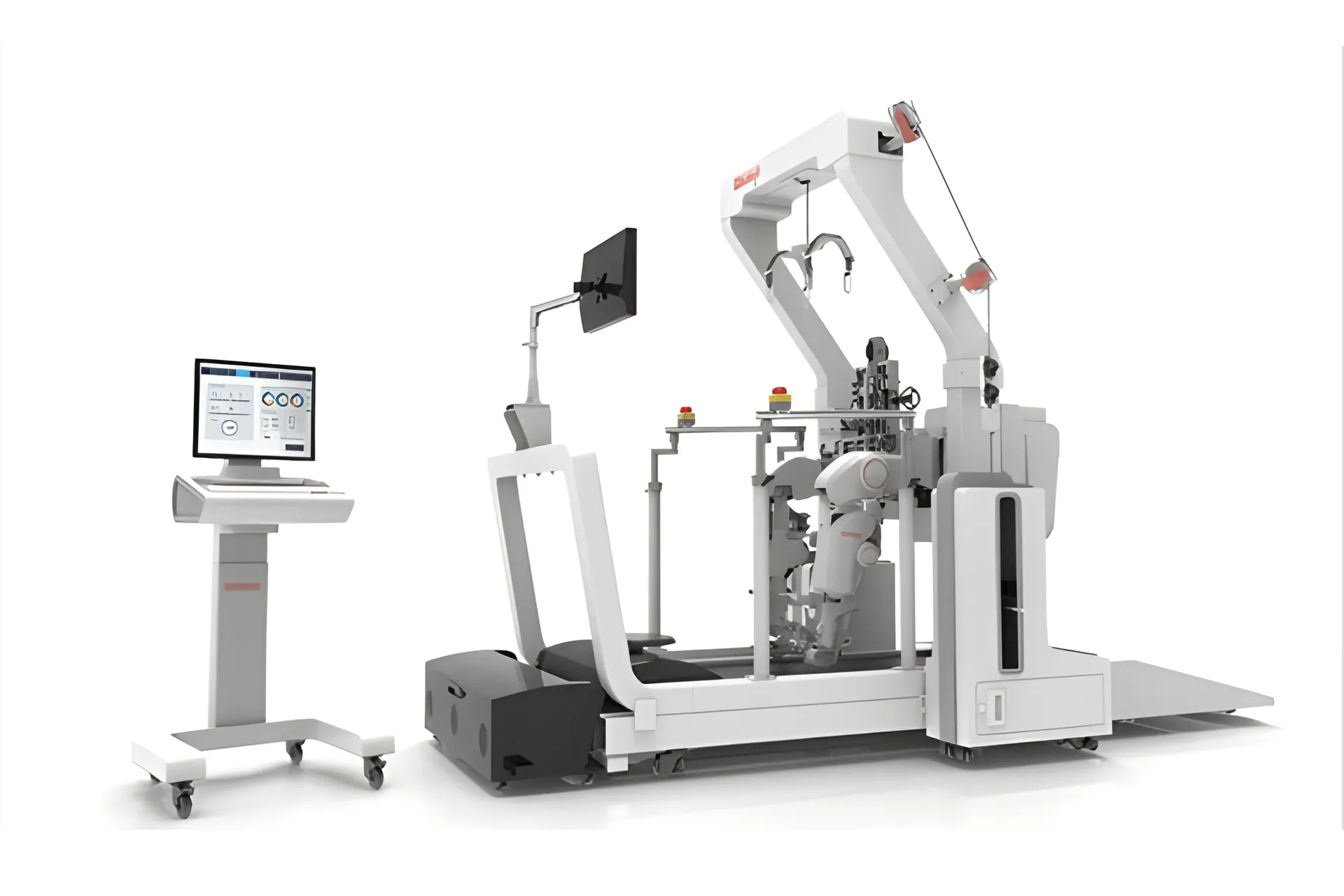
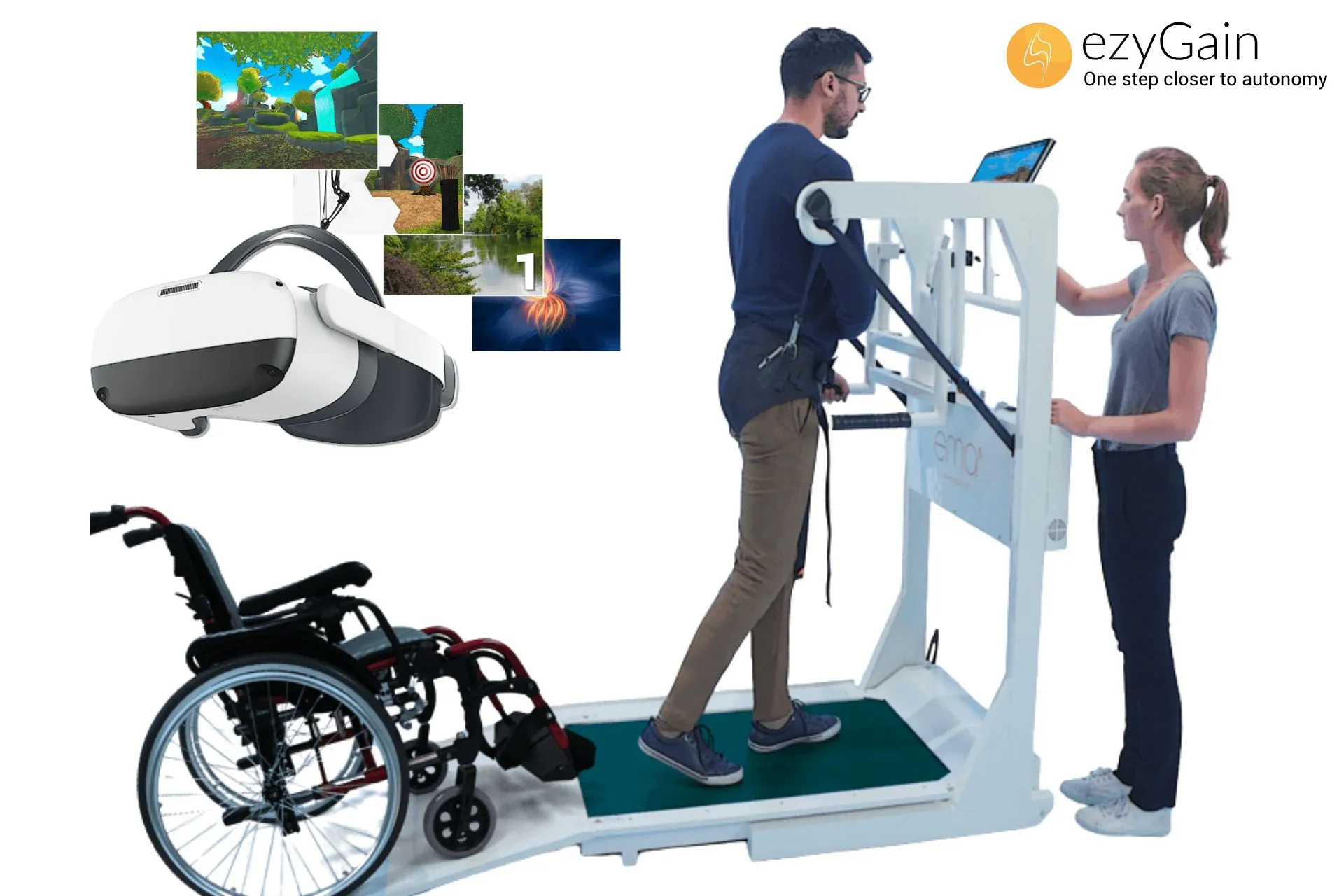
Modern neuro rehabilitation increasingly incorporates robotic and digital technologies to provide structured, repeatable and measurable movement training. Our Neuro Rehab category features advanced rehabilitation technology from P&S Robotics, centred around robotic-assisted gait training and lower-limb movement practice. Walkbot technology is designed to support repetitive and guided walking practice for adults and children. The system combines robotic assistance, treadmill-based walking, adjustable training parameters and interactive technologies to create a controlled environment for professional rehabilitation and movement training. Robotic-assisted gait training is at the centre of the Walkbot technology platform. The system provides coordinated assistance to the lower limbs through robotic modules positioned at the hip, knee and ankle. These powered joints help guide repetitive walking-like movements while maintaining a controlled and structured training environment. The robotic system is designed around human walking mechanics and kinematics to facilitate consistent movement patterns. Guided and repeatable practice can help professionals provide structured walking exercises while reducing variation that can occur during manually assisted movement training. Repetition is an important component of structured movement training. Walkbot provides a platform where walking movements can be repeated consistently under professional supervision. The system supports repetitive lower-limb movement with adjustable parameters such as walking speed, step length and levels of assistance. These settings allow training sessions to be adapted according to the user's physical characteristics and training requirements. By providing a controlled and repeatable environment, robotic gait technology can support structured training programs in rehabilitation centres, hospitals and other professional movement-training environments. Unlike systems that focus on a single joint or isolated movement, Walkbot incorporates coordinated assistance across multiple lower-limb joints. The hip, knee and ankle are integrated into the robotic gait-training mechanism to support coordinated walking movements. This multi-joint approach is designed to reproduce walking patterns in a coordinated manner, helping create a more consistent relationship between the different movements involved in walking. Rehabilitation requirements can differ considerably between users and between training sessions. Walkbot incorporates adjustable training parameters that allow professionals to configure the system according to the intended exercise program. Training variables can include walking speed, step length and the amount of robotic assistance. The ability to modify these parameters provides flexibility for progressive and individually configured training sessions. Certain configurations also incorporate automatic adjustment technologies for the robotic leg modules, helping align the system with the user's anthropometric characteristics. Engagement is another important aspect of modern rehabilitation technology. Walkbot incorporates interactive technologies designed to make walking practice more engaging and provide users with additional visual feedback. Interactive training can include 3D and augmented reality technologies, allowing users to participate in task-oriented exercises and virtual environments while performing guided walking movements. These interactive features can provide visual information during training and encourage active participation in structured exercise sessions. Digital rehabilitation technology can provide professionals with more information about movement during training. Walkbot's technology platform incorporates feedback and data-related capabilities that can be used to monitor movement and training performance. Depending on the configuration and connected solutions, the technology can provide information related to joint movement, walking mechanics and forces during gait training. Such information can assist professionals in monitoring training sessions and evaluating movement patterns. Gait analysis technology complements robotic rehabilitation by providing additional information about walking mechanics. Walkbot's broader technology ecosystem includes solutions for analysing gait and movement characteristics. Combining robotic gait training with movement analysis can provide a more comprehensive technology environment for rehabilitation facilities, research institutions and professional training centres. Walkbot incorporates augmented reality and 3D software technologies into selected training configurations. These technologies can create interactive exercise environments and provide visual tasks during walking practice. Interactive environments can include task-based activities and virtual scenarios that encourage participation while the user performs guided lower-limb movements. The Walkbot product platform includes configurations designed for different user groups. Adult systems provide robotic-assisted gait training for larger body sizes, while pediatric configurations are designed around the physical characteristics and requirements of children. Pediatric configurations incorporate child-oriented design considerations and adjustable robotic components to accommodate users within the supported height range. Other configurations can provide flexibility for facilities working with both adult and pediatric users. Robotic gait training technology can be integrated into professional rehabilitation and movement-training environments where structured walking practice is required. A major advantage of robotic rehabilitation technology is the ability to provide a controlled and reproducible training environment. Automated assistance can help maintain consistent movement patterns across repeated sessions while allowing professionals to modify training parameters. Walkbot's powered exercise approach is designed to support repetitive, task-oriented walking practice with controlled lower-limb movement. The system can also reduce the physical demands associated with manually supporting repetitive walking exercises. P&S Robotics develops technologies around robotics, human movement and rehabilitation engineering. Its research and development activities include human kinematics, lightweight medical robot design, impedance-control technologies, dynamic load compensation, customized training patterns and augmented reality integration. These technologies form the foundation for a robotic rehabilitation platform designed to provide controlled movement assistance and flexible training environments. Our Neuro Rehab category brings together advanced robotic technologies designed for professional gait and lower-limb movement training. From multi-joint robotic assistance and adjustable walking parameters to interactive 3D environments, movement analysis and data collection, these technologies provide rehabilitation professionals with modern tools for structured and repeatable walking practice. Explore our neuro rehabilitation equipment in the UAE and discover advanced robotic gait training technologies for hospitals, rehabilitation centres, physiotherapy facilities and professional movement-training environments. Advanced Neuro Rehabilitation & Robotic Gait Training Technology
Robotic-Assisted Gait Training
Guided & Repetitive Walking Practice
Multi-Joint Lower-Limb Assistance
Adjustable Training Parameters
Interactive Rehabilitation Technology
Real-Time Feedback & Data Collection
Gait Analysis & Movement Assessment
Augmented Reality & 3D Training
Adult & Pediatric Rehabilitation Technology
Professional Rehabilitation Applications
Technology Designed for Consistent Training
Research-Driven Robotic Rehabilitation Technology
Explore Neuro Rehabilitation Technology