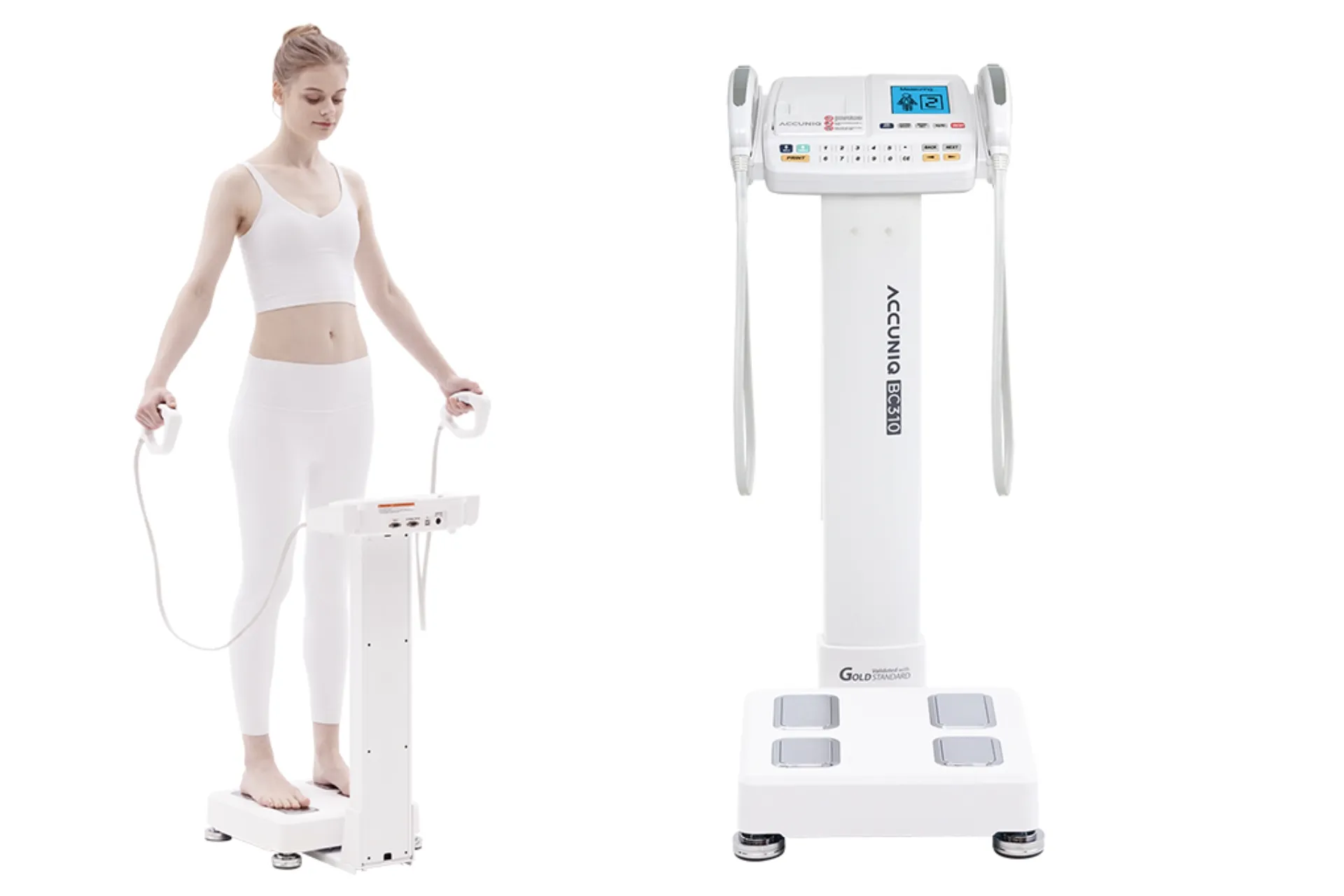
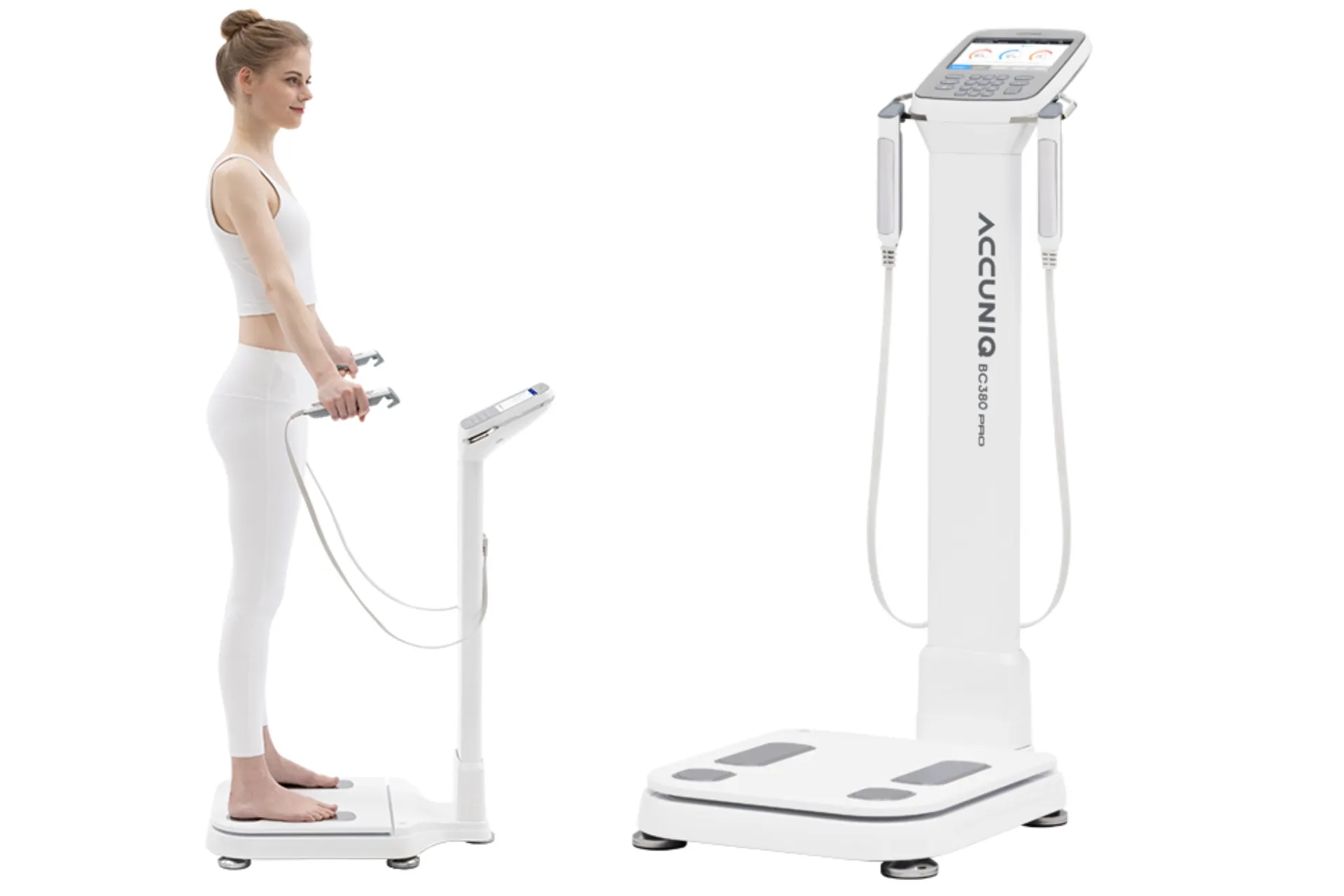
A Body Composition Analyzer is an advanced diagnostic device that provides a comprehensive assessment of body composition beyond standard weight measurements. Using bioelectrical impedance analysis (BIA) technology, it accurately measures body fat percentage, skeletal muscle mass, body water, visceral fat, protein, minerals, BMI, and other essential health parameters. These insights help healthcare professionals, nutritionists, fitness experts, and researchers evaluate overall health, monitor treatment progress, and develop personalized wellness and rehabilitation plans. At MedPrix, we supply a wide range of body composition analyzers suitable for hospitals, clinics, diagnostic centers, fitness facilities, sports medicine, and wellness centers across Dubai and the UAE.
Modern healthcare is rapidly shifting from simply measuring body weight to understanding the complete composition
of the human body. A Body Composition Analyzer is an advanced diagnostic device designed to
evaluate the body's internal composition, providing valuable insights into body fat, skeletal muscle mass, body
water, protein, minerals, visceral fat, lean body mass, and numerous other health indicators. Unlike traditional
weighing scales that display only body weight, body composition analysis offers a comprehensive picture of an
individual's overall health and nutritional status. Body composition analyzers have become an essential part of preventive healthcare, clinical diagnosis,
rehabilitation, sports medicine, nutrition counseling, obesity management, physiotherapy, wellness programs, and
scientific research. Healthcare professionals rely on these advanced systems to monitor patient progress,
evaluate treatment effectiveness, identify health risks at an early stage, and develop personalized health
improvement plans based on objective clinical measurements. Whether the objective is weight management, muscle gain, athletic performance enhancement, chronic disease
monitoring, rehabilitation after surgery, or nutritional assessment, a professional body composition analyzer
delivers detailed data that supports informed clinical decisions. By providing accurate measurements within
seconds, these systems help physicians, dietitians, physiotherapists, fitness experts, and researchers make
evidence-based recommendations that improve patient outcomes. At MedPrix, we supply a comprehensive range of professional body composition analyzers suitable for hospitals,
multispecialty clinics, diagnostic laboratories, rehabilitation centers, sports medicine facilities, corporate
wellness programs, universities, research organizations, fitness centers, and healthcare institutions across
Dubai and the UAE. Our product portfolio includes compact models for routine health assessments as well as
advanced multi-frequency analyzers capable of delivering detailed segmental body composition analysis for
demanding clinical environments. Whether you are establishing a new healthcare facility, upgrading an existing diagnostic department, or expanding
your wellness services, selecting the right body composition analysis device is essential. This guide explains
everything you need to know about body composition analysis, how these systems work, their clinical
applications, the parameters they measure, and how to choose the ideal analyzer based on your specific
requirements. A Body Composition Analyzer is a professional medical and wellness assessment device that
evaluates the different components of the human body instead of measuring only total body weight. It determines
how much of the body consists of fat tissue, skeletal muscles, water, minerals, protein, and lean body mass,
providing a significantly more meaningful assessment than a conventional weighing scale. For decades, Body Mass Index (BMI) has been widely used as a simple indicator of healthy weight. However, BMI
cannot distinguish between muscle mass and body fat. Two individuals with the same height and weight may have
identical BMI values while possessing completely different body compositions. One person may have a healthy
amount of muscle with low body fat, while another may have excess body fat and reduced muscle mass. Body
composition analysis eliminates this limitation by measuring each body component individually. Modern body composition analyzers utilize sophisticated Bioelectrical Impedance Analysis (BIA)
technology to estimate body composition quickly, safely, and non-invasively. Within approximately 30 seconds,
the analyzer provides comprehensive measurements that help healthcare professionals understand a patient's
metabolic health, nutritional status, hydration level, obesity risk, and muscle balance. These devices have become indispensable tools in preventive medicine because they enable clinicians to detect
subtle physiological changes before visible symptoms appear. Monitoring body composition over time allows
healthcare providers to evaluate treatment effectiveness, assess nutritional interventions, optimize
rehabilitation programs, and encourage healthier lifestyles through measurable progress. Today, body composition analyzers are widely used by: As healthcare increasingly focuses on preventive medicine and personalized treatment, body composition analyzers
continue to play a vital role in delivering objective clinical data that supports evidence-based healthcare
decisions. Most professional body composition analyzers operate using Bioelectrical Impedance Analysis
(BIA), a scientifically validated technology that measures how electrical current travels through
different body tissues. The procedure is completely safe, painless, non-invasive, and requires only a few
seconds to complete. During the measurement, the user stands barefoot on specially designed foot electrodes while holding hand
electrodes integrated into the analyzer. A very small electrical current passes through the body. This current
is so weak that the individual cannot feel it during the test. Different tissues conduct electricity differently. Muscle tissue contains a high percentage of water and
electrolytes, allowing electrical current to pass easily. Fat tissue contains much less water, resulting in
greater electrical resistance. By measuring the body's electrical impedance, sophisticated algorithms calculate
the proportion of various body components with remarkable accuracy. Professional analyzers use multiple frequencies rather than a single frequency to improve measurement precision.
Multi-frequency technology enables separate evaluation of intracellular water and extracellular water, providing
a more comprehensive understanding of hydration status and body composition. Advanced body composition analyzers also perform segmental body composition analysis, evaluating
each arm, each leg, and the trunk independently. This provides valuable information regarding muscle symmetry,
rehabilitation progress, injury recovery, athletic performance, and localized fat distribution. Once the measurement is complete, the analyzer automatically generates a detailed report containing multiple
health indicators. Depending on the model, results may be displayed on the built-in screen, printed immediately,
stored in internal memory, transferred to hospital information systems, synchronized with management software,
or accessed through mobile applications and QR code integration. The entire process typically requires less than one minute, making body composition analysis suitable for routine
outpatient consultations, annual health screenings, sports evaluations, wellness programs, and large-scale
population health assessments. Bioelectrical Impedance Analysis (BIA) has become one of the world's most widely accepted technologies for body
composition measurement because it combines scientific accuracy with speed, safety, and convenience. Unlike
imaging techniques such as CT scans or DEXA scans, BIA does not expose patients to radiation, making it suitable
for repeated assessments over long periods. The principle behind BIA is based on the fact that different biological tissues possess different electrical
conductive properties. Muscle tissue, organs, and body fluids conduct electricity efficiently due to their high
water content, while adipose tissue (body fat) offers greater electrical resistance because it contains
relatively little water. Professional analyzers apply multiple frequencies that travel through body tissues in different ways. Lower
frequencies primarily evaluate extracellular water, while higher frequencies penetrate cell membranes and assess
intracellular water. Combining these measurements provides a much more accurate evaluation of hydration status,
lean body mass, and overall body composition than conventional single-frequency analyzers. Modern multi-frequency BIA technology also compensates for variables such as age, gender, height, body weight,
and ethnicity using validated clinical algorithms. The result is a comprehensive body composition report that
healthcare professionals can confidently use for diagnosis, treatment planning, nutritional assessment,
rehabilitation monitoring, and long-term health management. As technology continues to advance, professional body composition analyzers now integrate cloud connectivity,
wireless communication, QR code reporting, electronic medical records, mobile applications, and centralized data
management systems. These capabilities simplify workflow while allowing clinicians to monitor patient progress
over months or even years through comprehensive trend analysis. A professional Body Composition Analyzer provides far more information than simply measuring
body weight. Modern body composition analysis systems evaluate multiple physiological parameters that help
healthcare professionals gain a comprehensive understanding of an individual's health, nutritional status,
metabolic condition, hydration level, and body balance. Each measurement contributes valuable clinical information that can be used for preventive healthcare, disease
management, rehabilitation, sports performance, nutrition planning, and long-term wellness monitoring. Instead
of relying on a single number from a weighing scale, clinicians receive an extensive body composition report
that supports evidence-based medical decisions. Below are the major body composition parameters commonly measured by advanced body composition analyzers and why
each measurement is important. Body weight is the total mass of an individual, including muscles, fat, bones, organs, water, and other tissues.
Although body weight is one of the most commonly measured health indicators, it should never be evaluated in
isolation. Two individuals may have identical body weights but completely different body compositions, making
body weight alone an unreliable indicator of overall health. A professional body composition analyzer uses body weight as the foundation for calculating many additional
health parameters, including Body Mass Index (BMI), body fat percentage, lean body mass, skeletal muscle mass,
and metabolic rate. Monitoring weight alongside these additional measurements provides a much more accurate
picture of physical health. Body Fat Mass represents the total amount of fat stored throughout the body. Fat plays an essential role in
protecting organs, regulating hormones, storing energy, and maintaining body temperature. However, excessive
body fat significantly increases the risk of developing chronic diseases such as cardiovascular disease,
hypertension, type 2 diabetes, sleep apnea, fatty liver disease, and certain cancers. Monitoring body fat mass enables physicians and nutritionists to evaluate obesity, monitor weight-loss programs,
and assess the effectiveness of dietary interventions. Rather than focusing solely on reducing body weight,
healthcare professionals aim to reduce excess body fat while preserving healthy muscle mass. Regular body fat assessments also help identify unhealthy trends before they become serious medical conditions,
supporting preventive healthcare strategies. Body Fat Percentage indicates the proportion of total body weight that consists of fat tissue. This measurement
is generally considered more meaningful than body weight because it distinguishes fat from muscles, bones,
organs, and water. For example, athletes often have relatively high body weights due to increased muscle mass while maintaining low
body fat percentages. Conversely, some individuals may have normal body weight but elevated body fat
percentages, a condition often referred to as "normal-weight obesity." Healthcare providers use body fat percentage to evaluate obesity risk, monitor nutritional programs, assess
athletic performance, and track body composition changes over time. Skeletal Muscle Mass measures the amount of muscle attached to the skeleton that enables movement, posture, and
physical activity. Maintaining healthy muscle mass is essential for strength, mobility, metabolism, injury
prevention, and healthy aging. Loss of skeletal muscle may occur due to aging, inactivity, malnutrition, chronic illness, prolonged
hospitalization, or neurological disorders. Low muscle mass has been associated with increased risks of falls,
reduced mobility, frailty, and decreased quality of life. Professional body composition analyzers enable healthcare providers to monitor muscle development during
rehabilitation, physiotherapy, athletic training, postoperative recovery, and nutritional interventions. For athletes, skeletal muscle analysis helps optimize training programs and evaluate muscle growth over time. Lean Body Mass includes all body components except fat. It consists of muscles, bones, organs, connective
tissues, and body water. This measurement provides valuable insight into an individual's overall physical
condition and nutritional health. Changes in lean body mass often indicate improvements or deterioration in physical health. For example,
successful rehabilitation following surgery frequently results in increased lean body mass due to muscle
recovery, while chronic illness may cause lean tissue loss. Monitoring lean body mass allows clinicians to ensure that weight-loss programs preserve muscle while reducing
excess fat. Total Body Water represents the total volume of water contained within the human body. Water is essential for
virtually every physiological process, including nutrient transport, temperature regulation, digestion,
circulation, cellular metabolism, and waste removal. Abnormal hydration levels may indicate dehydration, fluid retention, kidney disorders, heart disease, liver
disease, or nutritional deficiencies. Monitoring body water helps healthcare professionals identify these
conditions early and adjust treatment accordingly. A professional body composition analyzer accurately estimates total body water using multi-frequency
bioelectrical impedance analysis, making hydration assessment fast, non-invasive, and repeatable. Advanced body composition analyzers separate Total Body Water into two important compartments: The balance between intracellular and extracellular water provides valuable information regarding inflammation,
edema, kidney disease, cardiovascular disorders, and recovery following surgery or injury. Many professional analyzers also calculate the ECW Ratio, which assists clinicians in monitoring fluid balance
and identifying abnormal fluid accumulation. Protein Mass represents the total amount of protein contained within muscles, organs, skin, enzymes, hormones,
and other body tissues. Protein is essential for tissue repair, immune function, enzyme production, hormone
regulation, and muscle development. Reduced protein mass may indicate malnutrition, chronic illness, muscle wasting, or inadequate dietary intake.
Monitoring protein levels helps physicians, dietitians, and clinical nutrition specialists evaluate nutritional
status and optimize dietary plans. Mineral Mass estimates the mineral content present throughout the body, particularly within bones. Minerals such
as calcium, phosphorus, magnesium, and potassium contribute to skeletal strength, nerve function, muscle
contraction, and numerous metabolic processes. Evaluating mineral mass supports nutritional assessment and helps healthcare providers monitor bone health as
part of comprehensive body composition analysis. Body Mass Index (BMI) is one of the most widely recognized indicators used to classify individuals as
underweight, normal weight, overweight, or obese based on height and weight. Although BMI remains useful for population screening, it has important limitations because it cannot distinguish
fat from muscle. Professional body composition analyzers therefore calculate BMI alongside detailed body
composition measurements, providing a far more accurate health assessment than BMI alone. Basal Metabolic Rate represents the number of calories the body requires each day to maintain essential
physiological functions while at complete rest. These functions include breathing, blood circulation, organ
function, cellular repair, and temperature regulation. Knowing an individual's BMR helps physicians, dietitians, and fitness professionals develop personalized
nutrition and weight management programs. A higher muscle mass generally results in a higher metabolic rate
because muscle tissue consumes more energy than fat tissue. Accurate BMR calculations are particularly valuable during obesity management, sports performance training, and
clinical nutrition planning. Visceral Fat refers to fat stored deep inside the abdominal cavity surrounding internal organs such as the liver,
pancreas, and intestines. Unlike subcutaneous fat located beneath the skin, excessive visceral fat significantly
increases the risk of serious metabolic diseases. High visceral fat levels have been linked to: Monitoring visceral fat enables clinicians to identify high-risk patients and implement early interventions
before complications develop. The Waist-Hip Ratio compares waist circumference with hip circumference to evaluate fat distribution throughout
the body. Central obesity, characterized by excessive abdominal fat, is strongly associated with cardiovascular
disease, diabetes, and metabolic disorders. Healthcare professionals frequently combine WHR with visceral fat measurements to obtain a more comprehensive
assessment of abdominal obesity. One of the most valuable features of advanced body composition analyzers is Segmental Analysis. Instead of
evaluating the body as a single unit, segmental analysis measures the composition of: This detailed analysis allows healthcare professionals to identify muscle imbalances, monitor rehabilitation
progress, evaluate athletic performance, detect localized muscle loss, and assess recovery following orthopedic
surgery or injury. Segmental body composition analysis is particularly beneficial for physiotherapy, sports medicine, orthopedic
rehabilitation, neurology, and geriatric care. Body Cell Mass represents the metabolically active cells within the body that are responsible for energy
production, oxygen consumption, and overall physiological function. BCM is considered an important indicator of
nutritional status and overall health. Low Body Cell Mass may indicate malnutrition, muscle wasting, chronic illness, or inadequate nutritional intake,
while healthy BCM values often reflect good physical condition and cellular health. Monitoring BCM over time helps clinicians evaluate treatment effectiveness and long-term patient recovery.Professional Body Composition Analyzer for Accurate Health Assessment
What is a Body Composition Analyzer?
How Does a Body Composition Analyzer Work?
Understanding Bioelectrical Impedance Analysis (BIA) Technology
Key Body Composition Parameters Measured by a Professional Body Composition Analyzer
1. Body Weight
2. Body Fat Mass
3. Body Fat Percentage
4. Skeletal Muscle Mass
5. Lean Body Mass
6. Total Body Water (TBW)
7. Intracellular Water (ICW) and Extracellular Water (ECW)
8. Protein Mass
9. Mineral Mass
10. Body Mass Index (BMI)
11. Basal Metabolic Rate (BMR)
12. Visceral Fat Level
13. Waist-Hip Ratio (WHR)
14. Segmental Body Composition Analysis
15. Body Cell Mass (BCM)
For many years, body weight has been used as the primary indicator of health. While body weight provides a basic measurement, it does not explain what the body is made of. Two people may weigh exactly the same and have the same Body Mass Index (BMI), yet one may have a healthy proportion of muscle and low body fat while the other may have high body fat and low muscle mass. This is why healthcare professionals increasingly rely on body composition analysis rather than body weight alone when assessing overall health.
A professional Body Composition Analyzer provides a much deeper understanding of the body's internal composition by measuring fat mass, skeletal muscle mass, lean body mass, body water, visceral fat, protein, minerals, metabolic rate, and several other clinically important parameters. These measurements enable physicians, nutritionists, physiotherapists, sports scientists, and wellness professionals to make informed decisions based on objective data rather than assumptions.
Weight can fluctuate due to many reasons, including hydration, food intake, hormonal changes, or temporary fluid retention. A conventional weighing scale cannot distinguish whether weight loss comes from fat, muscle, or body water. Losing muscle instead of fat may negatively affect metabolism and overall health, while gaining muscle can increase body weight even though body fat decreases. Body composition analysis eliminates this uncertainty by clearly identifying where these changes occur.
Monitoring body composition also allows healthcare providers to identify hidden health risks. Individuals with a normal BMI may still have excessive visceral fat or insufficient muscle mass, conditions that increase the risk of diabetes, cardiovascular disease, osteoporosis, and metabolic syndrome. Likewise, athletes with higher muscle mass may appear overweight according to BMI even though they are in excellent physical condition.
By focusing on body composition rather than body weight alone, clinicians can develop personalized treatment plans, optimize nutritional programs, monitor rehabilitation progress, and improve long-term patient outcomes.
Body composition analyzers have become essential diagnostic and monitoring tools across numerous medical specialties and healthcare environments. Their ability to provide fast, accurate, and non-invasive measurements makes them valuable for preventive healthcare, disease management, rehabilitation, sports science, and wellness programs.
Hospitals use body composition analyzers to evaluate patients before surgery, monitor recovery, assess nutritional status, detect muscle wasting, and manage chronic diseases. Measurements such as body fat percentage, lean body mass, extracellular water ratio, and skeletal muscle mass help physicians identify potential complications and adjust treatment plans accordingly.
Many hospitals integrate body composition analysis into executive health checkups, preventive screening packages, bariatric programs, endocrine clinics, nephrology departments, and geriatric care services.
Primary care physicians increasingly use body composition analyzers to identify obesity-related conditions before symptoms become severe. Early detection of increased visceral fat, reduced muscle mass, or abnormal hydration enables timely lifestyle interventions that reduce the risk of chronic diseases.
Nutritionists and dietitians depend on body composition analysis to develop personalized dietary plans. Instead of focusing only on weight reduction, they monitor reductions in body fat while preserving muscle mass and maintaining proper hydration.
Repeated body composition assessments help patients visualize their progress, increasing motivation and improving adherence to nutritional recommendations.
Obesity treatment requires much more than monitoring body weight. Body composition analyzers allow bariatric specialists to distinguish between healthy fat loss and undesirable muscle loss during weight reduction programs.
Detailed measurements enable clinicians to adjust calorie intake, protein requirements, exercise programs, and treatment protocols according to individual patient needs.
Elite athletes require precise information about muscle development, body fat percentage, hydration, and body balance. Coaches, sports physicians, and exercise physiologists use body composition analyzers to optimize training programs, monitor muscle growth, reduce injury risk, and improve athletic performance.
Segmental body composition analysis also helps identify muscle imbalances between the left and right sides of the body, allowing targeted strength training and injury prevention strategies.
Following orthopedic surgery, neurological conditions, sports injuries, or prolonged hospitalization, patients often experience muscle loss. Body composition analyzers allow physiotherapists to objectively monitor muscle recovery, evaluate rehabilitation progress, and modify treatment programs based on measurable improvements.
Patients with diabetes, thyroid disorders, metabolic syndrome, and hormonal imbalances frequently experience significant changes in body composition. Endocrinologists use body composition analysis to monitor fat distribution, skeletal muscle mass, and metabolic health throughout treatment.
Body composition analysis supports cardiovascular risk assessment by evaluating visceral fat, obesity level, body fat percentage, and waist-hip ratio. These measurements complement blood pressure, cholesterol, and glucose testing to provide a more comprehensive evaluation of heart health.
Maintaining proper fluid balance is critical for patients with kidney disease. Advanced body composition analyzers that measure extracellular and intracellular water help nephrologists evaluate hydration status and optimize dialysis treatment.
As people age, they naturally lose muscle mass and bone strength. Regular body composition analysis enables healthcare providers to detect sarcopenia, monitor nutritional status, evaluate mobility risks, and implement interventions that help older adults maintain independence and quality of life.
Many organizations include body composition analysis in employee health screening programs to promote preventive healthcare. Personalized wellness reports encourage healthier lifestyles while helping employers improve workforce health and productivity.
Body composition analyzers are widely used in clinical research, nutrition studies, sports science, epidemiology, and academic education. Their ability to produce standardized, repeatable measurements makes them valuable tools for scientific investigations.
Professional body composition analyzers provide significantly more information than conventional weighing scales, enabling healthcare professionals to make evidence-based clinical decisions. Their advanced measurement technology delivers fast, accurate, and reproducible results suitable for routine patient assessments and long-term health monitoring.
A body composition analyzer is suitable for a wide variety of healthcare, fitness, research, and wellness environments. Because it provides clinically valuable information quickly and non-invasively, it has become an indispensable tool across numerous industries.
| Industry / Facility | Primary Purpose |
|---|---|
| Hospitals | Clinical diagnosis, patient monitoring, preventive healthcare |
| Medical Clinics | Routine health assessments and obesity management |
| Nutrition Clinics | Personalized dietary planning and progress monitoring |
| Weight Loss Centers | Tracking fat loss while preserving muscle mass |
| Sports Medicine Centers | Athletic performance evaluation and muscle analysis |
| Fitness Centers & Gyms | Member fitness assessments and wellness programs |
| Physiotherapy Clinics | Rehabilitation and muscle recovery monitoring |
| Corporate Wellness Programs | Employee health screening and preventive care |
| Universities & Research Centers | Clinical research and scientific studies |
| Government Health Programs | Population health assessment and screening initiatives |
Whether the goal is preventive healthcare, chronic disease management, athletic performance, rehabilitation, or nutritional assessment, a professional body composition analyzer provides the accurate and comprehensive data needed to support informed decision-making and improve health outcomes.
Selecting the right Body Composition Analyzer supplier is just as important as selecting the right device. Healthcare providers require more than a product—they need a reliable partner who can offer expert guidance, genuine equipment, professional installation, user training, technical support, and long-term after-sales service.
At MedPrix Trading Co. LLC, we supply high-quality body composition analyzers designed for hospitals, medical centers, diagnostic laboratories, rehabilitation facilities, physiotherapy clinics, sports medicine centers, universities, wellness centers, corporate health programs, and research institutions across the UAE.
Our objective is to help healthcare professionals perform accurate body composition analysis using clinically validated equipment supported by dependable local service. Whether you are establishing a new healthcare facility or upgrading existing diagnostic equipment, our team can recommend the most suitable solution based on your workflow, patient volume, and clinical requirements.
| Our Advantage | Benefits to Your Facility |
|---|---|
| Wide Product Portfolio | Choose from multiple professional body composition analyzers suitable for hospitals, clinics, wellness centers, sports medicine, and rehabilitation. |
| Application Consultation | Our team helps identify the most suitable analyzer based on your clinical workflow and operational requirements. |
| Professional Installation | Equipment setup and commissioning to ensure optimal performance from day one. |
| User Training | Hands-on training for healthcare professionals to maximize measurement accuracy and efficient operation. |
| After-Sales Support | Reliable technical assistance and service support to help maintain equipment performance. |
| Genuine Medical Equipment | Professional-grade solutions designed for clinical use, preventive healthcare, research, and wellness applications. |
| UAE-Based Support | Local customer support enables faster communication and assistance when required. |
Body composition analysis is no longer limited to fitness centers. Today, professional body composition analyzers are used across a wide range of healthcare and performance-related industries because they provide objective measurements that support diagnosis, treatment planning, rehabilitation, nutritional assessment, and preventive healthcare.
| Industry | Typical Applications |
|---|---|
| Hospitals | Clinical assessment, executive health check-ups, nutrition evaluation, pre- and post-treatment monitoring. |
| Diagnostic Centers | Comprehensive body composition testing as part of preventive health screening packages. |
| Medical Clinics | Routine obesity assessment, chronic disease monitoring, and wellness consultations. |
| Nutrition & Diet Clinics | Monitoring fat loss, muscle preservation, calorie requirements, and personalized nutrition planning. |
| Sports Medicine Centers | Athletic performance evaluation, muscle development analysis, hydration assessment, and injury prevention. |
| Physiotherapy & Rehabilitation | Monitoring muscle recovery, body balance, and rehabilitation progress following surgery or injury. |
| Fitness Centers & Wellness Clubs | Member fitness assessments, progress tracking, and personalized wellness programs. |
| Corporate Wellness Programs | Employee health screening and preventive wellness initiatives. |
| Universities & Research Institutions | Clinical research, sports science, epidemiology, and academic studies. |
| Government Healthcare | Population health assessment and public health screening programs. |
The following frequently asked questions address many of the topics searched by healthcare professionals, fitness specialists, and organizations looking to invest in a professional body composition analyzer.
A Body Composition Analyzer is a professional medical device that measures body fat, skeletal muscle mass, body water, protein, minerals, visceral fat, Body Mass Index (BMI), and other important health parameters. It provides a comprehensive assessment of body composition, helping healthcare professionals evaluate nutritional status, obesity, metabolic health, and overall physical condition.
Most professional Body Composition Analyzers use Multi-Frequency Bioelectrical Impedance Analysis (MF-BIA). A safe, low-level electrical current passes through the body, and the device measures impedance to accurately estimate body fat, muscle mass, body water, visceral fat, and other body composition parameters within seconds.
A standard weighing scale only measures body weight, while a Body Composition Analyzer provides detailed information including body fat percentage, skeletal muscle mass, lean body mass, total body water, visceral fat, BMI, protein, minerals, and metabolic rate. This allows healthcare professionals to make more informed clinical decisions.
Yes. Body composition analysis using Bioelectrical Impedance Analysis (BIA) is completely non-invasive, painless, and safe for routine clinical use. The measurement takes only a few seconds and is widely used in hospitals, clinics, sports medicine centers, rehabilitation facilities, and wellness centers worldwide.
Body Composition Analyzers are suitable for hospitals, clinics, physiotherapy centers, sports medicine facilities, nutrition clinics, wellness centers, fitness clubs, corporate wellness programs, universities, and research institutions. They are also valuable for monitoring obesity management, rehabilitation, and athletic performance.
Depending on the model, a complete body composition analysis usually takes between 30 and 90 seconds. Results are generated immediately, making the device suitable for routine patient assessments and high-volume health screening programs.
Professional Body Composition Analyzers can measure body fat percentage, skeletal muscle mass, lean body mass, total body water, intracellular water, extracellular water, visceral fat, BMI, basal metabolic rate (BMR), protein mass, mineral mass, body cell mass, waist-hip ratio, body balance, and segmental body composition.
BMI only considers height and weight, while body composition analysis evaluates the actual distribution of fat, muscle, water, and lean tissue. This provides a more accurate assessment of overall health, obesity risk, and physical fitness.
Yes. MedPrix supplies professional Body Composition Analyzers for hospitals, clinics, diagnostic centers, physiotherapy facilities, sports medicine centers, wellness clinics, and research institutions throughout the UAE. We offer expert product guidance to help customers choose the most suitable model for their requirements.
MedPrix provides high-quality body composition analysis solutions, expert product consultation, installation support, user training, and reliable after-sales service. Our team works closely with healthcare professionals to recommend body composition analyzers that match their clinical and operational requirements.
If you are looking for a reliable Body Composition Analyzer supplier in Dubai or anywhere in the UAE, MedPrix can help you select the right solution for your healthcare facility. Whether your requirement is for preventive health screening, nutrition assessment, sports performance evaluation, rehabilitation, or clinical diagnostics, our team can recommend the most suitable model based on your application and budget.
Contact MedPrix today to learn more about our range of professional body composition analyzers, request a quotation, or schedule a product demonstration.